Sapporo 5 Days Couple: Winter Connectivity Guide
By Japan Connect Guide Team · Updated 9/12/2026
This article contains affiliate links. We may earn a commission if you make a purchase, at no extra cost to you. Learn more.
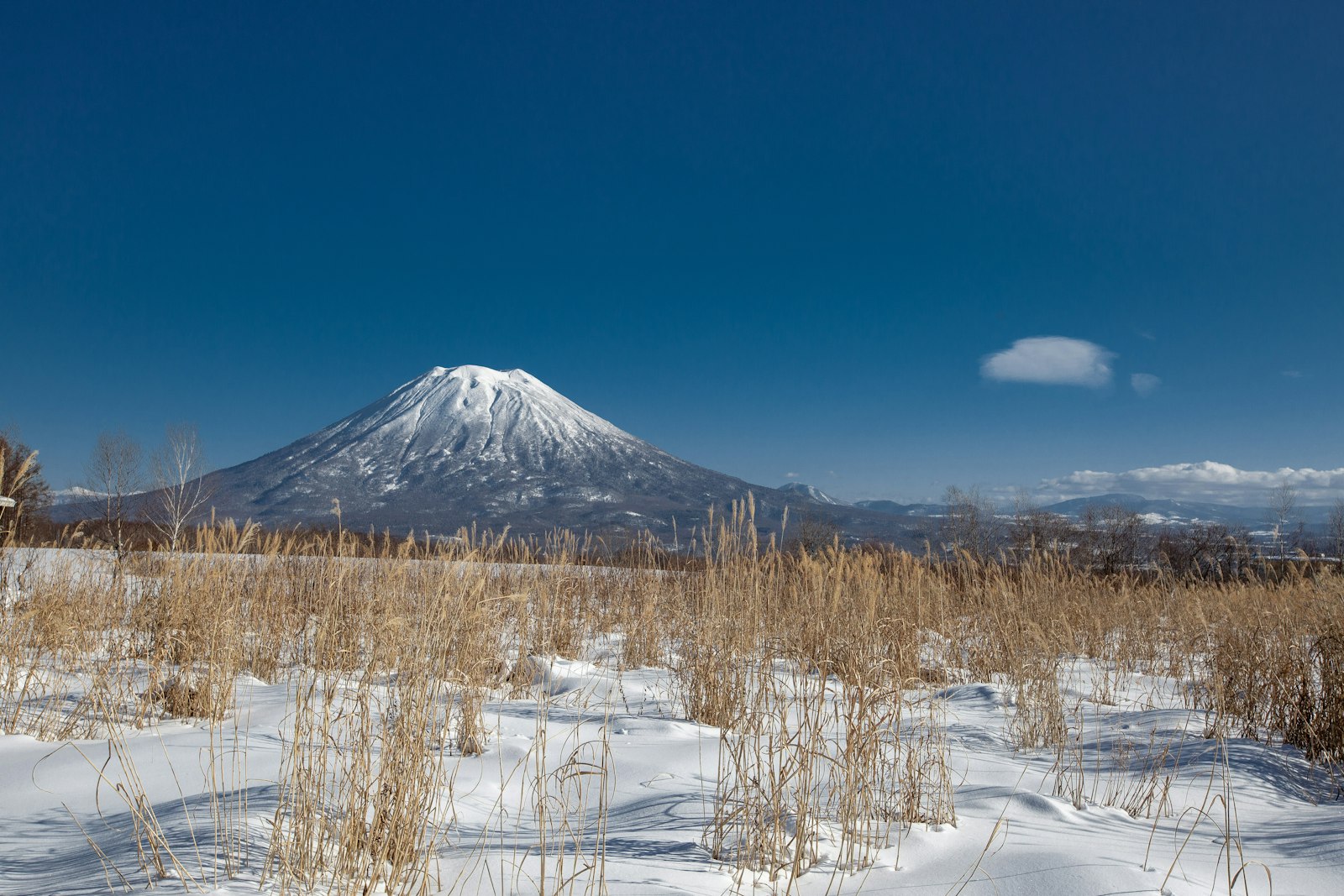
Winter in Sapporo introduces a failure mode that does not exist on a trip anywhere warmer: your phone can simply switch itself off. Not because it is broken, and not because the battery was low, but because it got cold. For a couple, that is the fact that should shape how you set up. It means the device carrying your connection is the least reliable thing you are traveling with.
Quick answer
- Two individual eSIMs at ¥5,500 if one cold device then does not take you both offline at once
- Not a shared router if it is the same battery physics, and it is the single point of failure
- A power bank kept warm if it loses capacity in the cold exactly as a phone does
- Touchscreen gloves if you will otherwise be baring fingers every time you check something
Cold shuts phones down, and it does it without warning
Lithium batteries lose usable capacity sharply in low temperatures. A phone reading 40% indoors can power down within minutes of being out in a Hokkaido winter, particularly in an outer coat pocket or a bag rather than against your body. It is not damaged and it comes back once it warms up, but “comes back after twenty minutes indoors” is not much help while you are standing outside Odori Park after dark working out which subway exit is nearest your hotel.
Now apply that to a shared pocket Wi-Fi router. One device carries the connection for both of you, and it is subject to exactly the same physics. When it goes cold you do not lose one phone. You both go offline at once, in weather where standing still to sort it out is genuinely unpleasant.
Two independent connections give you redundancy for the one thing most likely to fail on this trip. If one phone dies in the cold, the other still works.
The cost, for two people over five days
| Setup | Cost |
|---|---|
| Two Mobal 5G Unlimited eSIMs, 5 days (¥2,750 each) | ¥5,500 |
| Sakura Mobile pocket Wi-Fi, 7 days (no 5-day tier) | ¥8,558 |
| Japan Wireless pocket Wi-Fi, 4 days | ¥7,106 |
The redundancy is free, in the sense that you were going to spend more on the shared router anyway. Neither provider offers a five-day rental, so a five-day trip pays the seven-day rate, and two eSIMs come in roughly ¥3,000 under it.

Mobal
¥2,750 each for exactly 5 days. Two connections, so one cold phone does not end the evening
940+ customer reviews, mostly positive
Winter habits that matter more than your provider
- Keep phones in an inner coat pocket, against your body, not in an outer pocket or a backpack.
- Treat the battery percentage as optimistic the moment you step outside, and charge earlier than you normally would.
- Carry a power bank and keep that warm too. It loses capacity in the cold the same way.
- Download an offline map of central Sapporo, so a phone that has just warmed back up is useful immediately, not after it finishes loading tiles.
- Gloves and touchscreens do not get along. Either buy touchscreen-compatible gloves before you travel, or accept bare fingers for thirty seconds every time you check something.
How much data does a couple use in Sapporo?
| App / activity | Approx. data use |
|---|---|
| Navigation, including underground walkways (per person) | ~50-120MB per day |
| Restaurant lookups and bookings in Susukino | ~150-300MB per day |
| Snow Festival photos and video, shared between phones | ~300-700MB per day |
| Day-trip planning to Jozankei, conditions and timetables | ~100-200MB on the day |
Around 1-1.5GB per person per day. Modest, because the constraint here is power, not allowance.
Recommended options
Mobal940+ customer reviews, mostly positive
Verified Jul 28, 2026
Tourist eSIM, 5G Unlimited, 3 days
Unlimited (15GB hotspot/tethering cap)
¥1,650
Tourist eSIM, 5G Unlimited, 5 days
Unlimited (15GB hotspot/tethering cap)
¥2,750
Tourist eSIM, 5G Unlimited, 7 days
Unlimited (15GB hotspot/tethering cap)
¥3,850
Tourist eSIM, 5G Unlimited, 14 days
Unlimited (15GB hotspot/tethering cap)
¥6,600
Tourist eSIM, 4G Fixed, 10GB / 16 days
10GB
¥4,620
Tourist eSIM, 4G Fixed, 50GB / 31 days
50GB
¥6,600
 Sakura Mobile
1,402 customer reviews, mostly 5-star but with some complaints
Verified Jul 28, 2026
Pocket Wi-Fi, Unlimited, 4 days
Unlimited
¥6,248
Pocket Wi-Fi, Unlimited, 7 days
Unlimited
¥8,558
Pocket Wi-Fi, Unlimited, 30 days
Unlimited
¥37,500
 Japan Wireless
699 customer reviews, few complaints
Verified Jul 28, 2026
Pocket Wi-Fi, Unlimited, 4 days
Unlimited
¥7,106
Pocket Wi-Fi, Unlimited, 7 days
Unlimited
¥9,960
Pocket Wi-Fi, Unlimited, 1 day
Unlimited, no daily cap, no speed reduction (per provider's own claim)
¥4,064
Pocket Wi-Fi, Unlimited, 14 days
Unlimited, no daily cap, no speed reduction (per provider's own claim)
¥12,430
Pocket Wi-Fi, Unlimited, 30 days
Unlimited, no daily cap, no speed reduction (per provider's own claim)
¥20,860
If one of your phones does not support eSIM, or you are bringing a laptop, a router is still a reasonable answer. Just keep it warm and treat it as a single point of failure.
Sapporo-specific notes
Central Sapporo and Susukino have solid coverage throughout. Odori Park gets dense with crowds during the Snow Festival, and that can put heavy demand on mobile networks at peak evening hours, slowing speeds for everyone. Load anything you need before heading into the crowd.
Sapporo’s underground walkway network between the central stations is the best thing about the city in February: you can cross a good part of the center without going outside. It is also where couples lose each other, because you surface at different exits and the layout below does not match your mental map of the streets above. Coverage down there is generally fine; the problem is navigational, which is another argument for both of you being able to look things up.
The day trip to Jozankei runs through more mountainous terrain, where signal is patchier than in the city. Check return bus times before you go and screenshot them. Winter services are more susceptible to disruption than the timetable suggests.
Still deciding between eSIM and physical SIM in general? See our full eSIM vs Physical SIM comparison.
Sakura Mobile
Pocket Wi-Fi or physical SIM if a phone cannot take an eSIM. Keep the router in an inner pocket
1,402 customer reviews, mostly 5-star but with some complaints
Frequently Asked Questions
Why can my phone switch off in Sapporo's winter?+
Lithium batteries lose usable capacity sharply in the cold, so a phone reading 40% indoors can shut down within minutes outside, especially in an outer pocket or a bag. It is not damaged and it recovers once warm, but that is twenty minutes indoors you may not want to spend.
Is sharing one pocket Wi-Fi a good idea in winter?+
It is the weakest setup for this trip. A router is subject to the same cold as a phone, so when it fails you both lose your connection at once. Two independent connections mean one cold device does not take you both offline. At ¥5,500 for two Mobal 5-day eSIMs against ¥8,558 for the 7-day router a five-day trip needs, they also cost less.
How much data will we use in five days?+
Roughly 1-1.5GB per person per day. The binding constraint on a Sapporo winter trip is battery and warmth, not data allowance.
Is the underground walkway network well covered?+
Coverage is generally fine down there. The difficulty is navigational. You surface at different exits and the underground layout does not match the streets above, which is how couples lose each other in February.
This guide covers one trip. For arrival, coverage and what to expect across the whole city:
Related guides

Kyoto 5 Days Couple: SIM/eSIM Guide
Kyoto empties out early — temples close mid-afternoon and buses thin out at night. For a couple, that makes an independent connection each worth more than a shared router.
Updated September 12, 2026
Okinawa 5 Days Couple: SIM/Wi-Fi Guide
In Okinawa the driver's phone is the navigation system, mounted and running for hours. That changes what you should buy — and it isn't a pocket Wi-Fi router. Costs and reasoning.
Updated September 12, 2026
Osaka 5 Days Couple: SIM/Wi-Fi Guide
Most guides tell couples to share one pocket Wi-Fi to save money. Run the actual numbers for 5 days in Osaka and that's wrong — two eSIMs come out cheaper. Here's the math.
Updated September 12, 2026