Getting Online in Sapporo: SIM, eSIM and Pocket Wi-Fi in Winter
By Japan Connect Guide Team · Updated 9/12/2026
This page contains affiliate links. We may earn a commission if you make a purchase, at no extra cost to you. Learn more.
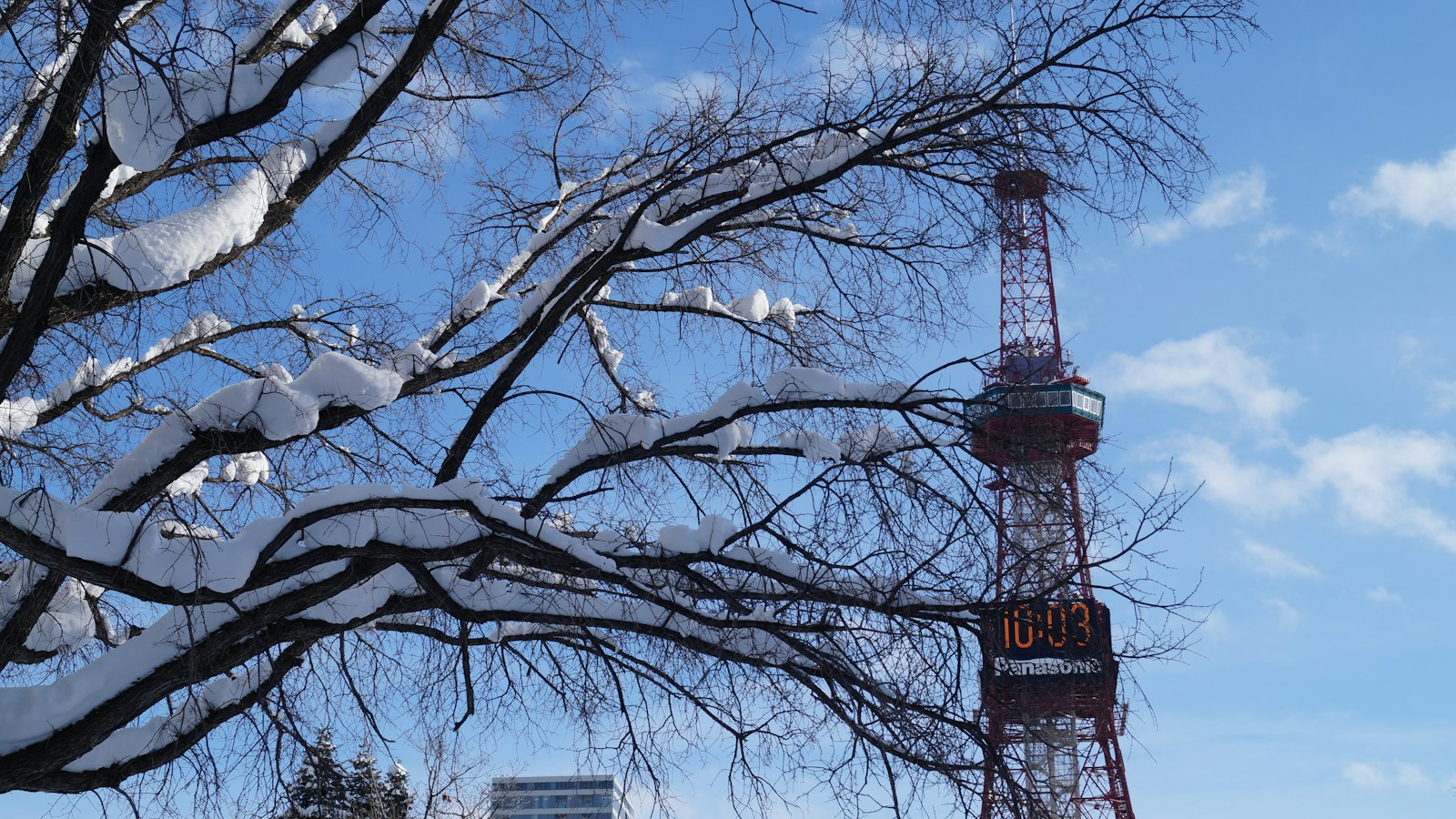
Hokkaido is the only destination on this site where the season changes the advice. A summer trip to Sapporo behaves like any other Japanese city. A winter one adds a constraint that has nothing to do with your provider: battery-powered devices, including the phone carrying your connection, become much less reliable in the cold.
Quick answer
- Two individual eSIMs if you are a couple in winter, so one cold phone doesn't take you both offline
- An individual eSIM for anyone skiing apart if your group splits across a mountain, where a router reaches nobody
- One shared router if you are a family staying together for city days and the lodge
- A power bank kept warm, whatever else you buy, because cold is what actually ends the day
Arrival
New Chitose Airport sits about forty minutes from Sapporo Station by JR rapid service, which is enough of a buffer to sort out a connection on arrival if you want to. Coverage is generally strong along the route.
That said, winter is exactly when you least want to be standing at a counter in outdoor clothing with luggage, and winter weather can cause flight delays into Hokkaido. Arriving with an eSIM already installed removes a step from a day that has more ways to go wrong than usual.
The underground is the city in winter
Sapporo’s central underground walkways connect the area around Sapporo Station with Odori, and in winter they can be the difference between a pleasant walk and a cold one. You can cross a good part of the center without going outside.
Coverage below ground is fine. What catches people out is navigational: exits surface at points that do not match your mental map of the streets above, so parties separate there routinely. It is worth agreeing where you are heading before you go down, rather than after.
Winter, batteries and why it matters for your setup
Cold reduces the usable capacity of a phone battery sharply. A device that reads comfortably full indoors can shut down outdoors with little warning, then recover once it warms up.
The implication for what you buy is specific. A pocket Wi-Fi router is a battery-powered device carried outdoors like everything else, so when it fails, everyone relying on it loses their connection simultaneously rather than one person losing theirs. In summer that is a minor risk. In February it can be the easiest way for a Hokkaido party to end up offline.
Our Sapporo couple guide works through the practical habits that follow, and the ski group guide covers why a shared router is the wrong tool on a mountain specifically.
City coverage versus resort coverage
These are two different environments and it is worth separating them.
Coverage is strong across central Sapporo and Susukino. Crowd density in Odori Park during the Snow Festival can put heavy demand on mobile networks at peak times, slowing speeds for everyone.
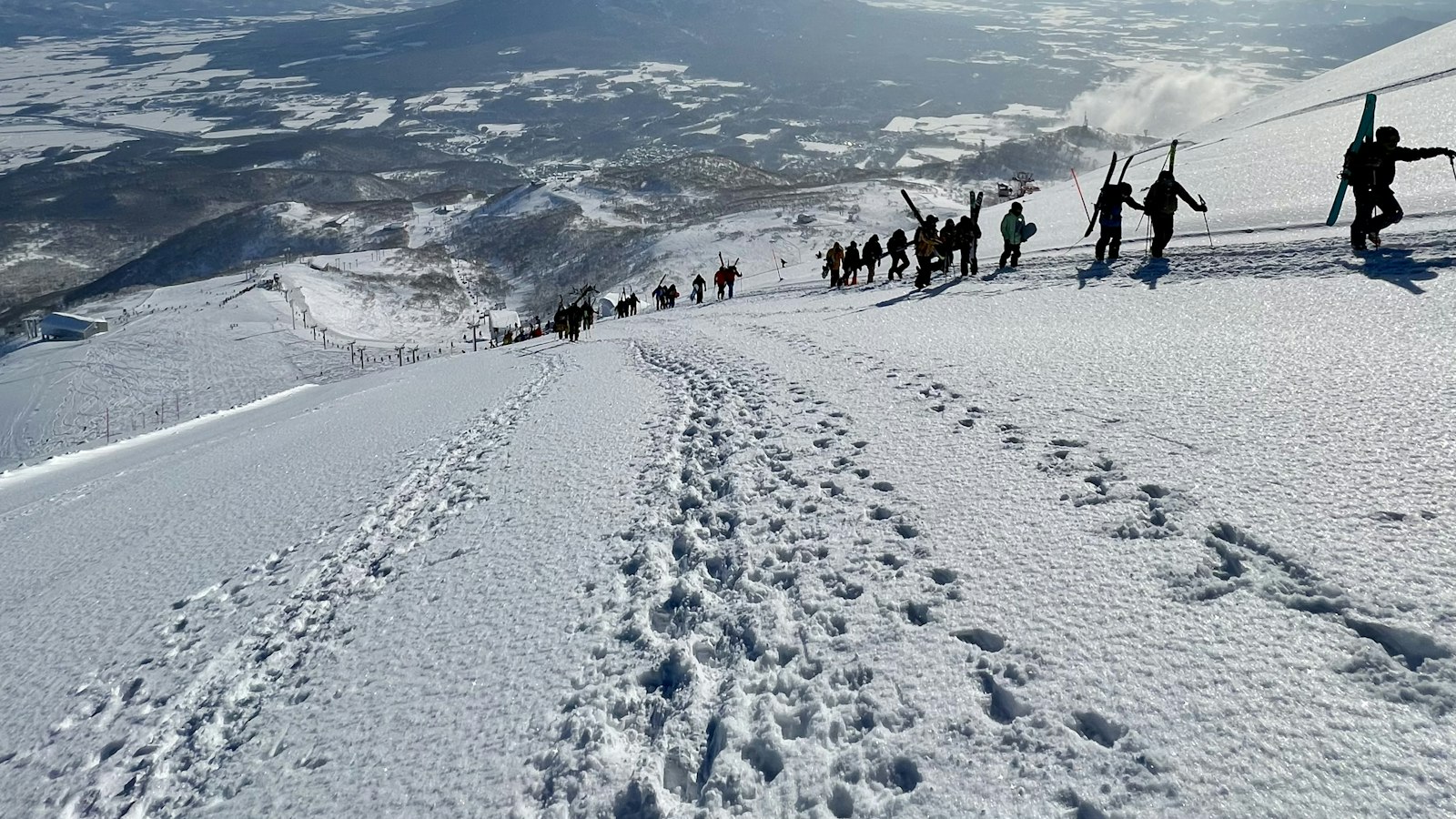
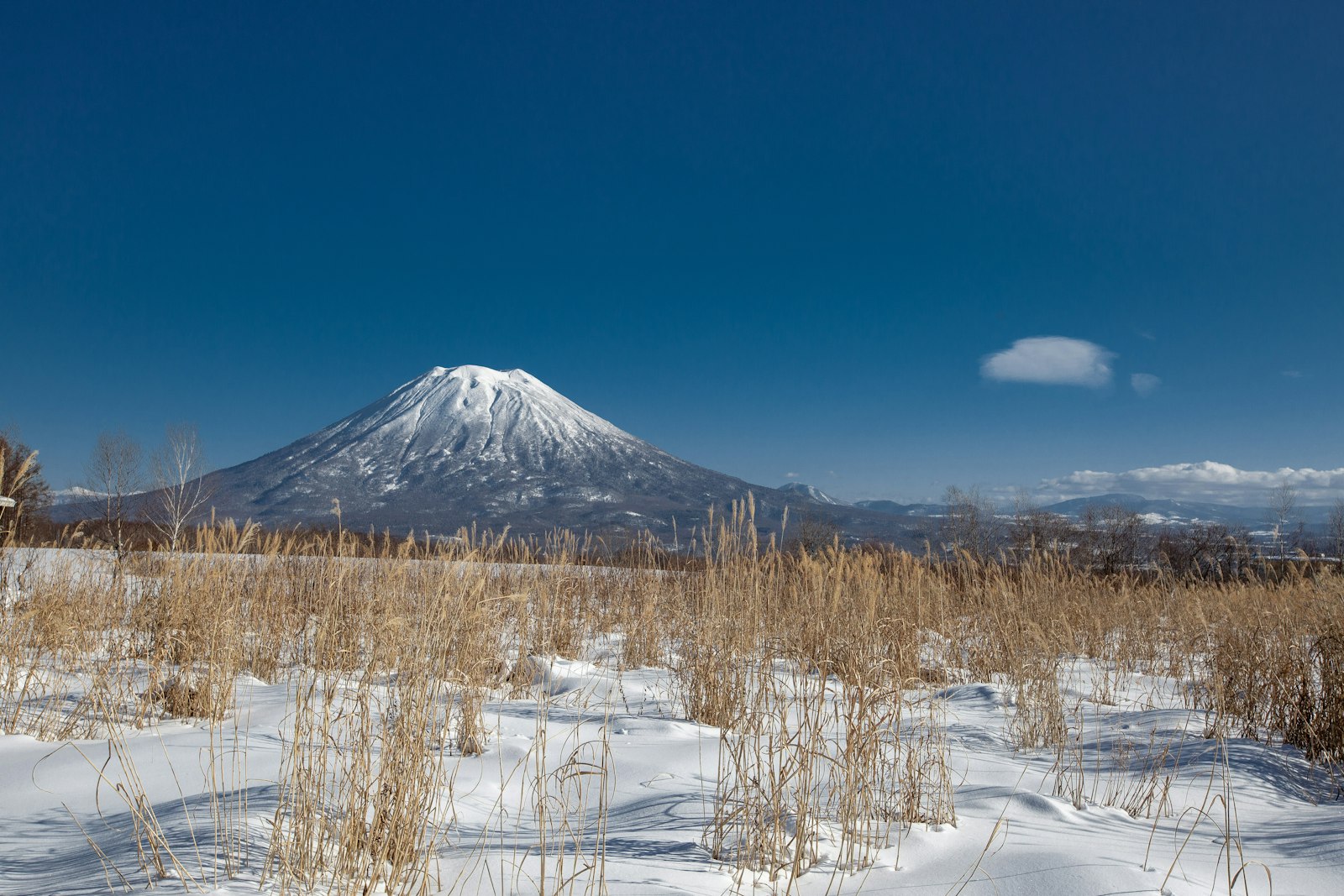
Resort areas are different: mountainous terrain creates weak spots in gullies, on tree runs and behind ridgelines, varying by resort and by carrier. Jozankei, the nearest hot-spring day trip, runs through similar country. Winter services on those routes are more prone to disruption, so confirm the last return before you commit to a late afternoon.

Mobal
Priced by the exact day, and independent, so one cold device does not take everyone offline
940+ customer reviews, mostly positive
What it costs
| Party | Typical answer | Cost |
|---|---|---|
| Solo | One tourist eSIM | ¥3,850 for 7 days |
| Couple | Two individual eSIMs | ¥5,500 for 5 days |
| Family of 4 | One shared pocket Wi-Fi router | ¥8,558 for 7 days |
| Ski group | Individual eSIMs for anyone skiing apart | ¥3,850 each for 7 days |
Ski groups are the one case on this site where we recommend the more expensive option outright. Everywhere else a shared router is a reasonable way for a group to save money; on a mountain it cannot reach the people it is meant to serve.

Sakura Mobile
Pocket Wi-Fi for the lodge, the transfer and Sapporo city days
1,402 customer reviews, mostly 5-star but with some complaints
How much data a Sapporo trip uses
A reasonable rule of thumb is around 1-1.5GB per person per day. City days sit at the modest end and slope days tend to use even less data. On a Hokkaido winter trip the thing that runs out is charge, not allowance, so a power bank is a better purchase than a larger data plan.
Frequently Asked Questions
Why can my phone switch off in Sapporo's winter?+
Lithium batteries lose usable capacity sharply in the cold, so a phone reading 40% indoors can shut down within minutes outside, especially in an outer pocket. It is not damaged and recovers once warm.
Is sharing one pocket Wi-Fi a good idea in winter?+
It is the weakest setup for this trip. A router is subject to the same cold as a phone, so when it fails you both lose your connection at once. Two independent connections also cost less at these prices.
Is signal reliable at Niseko and other resorts?+
Patchier than the city, as mountainous terrain always is. Expect weak spots in gullies, on tree runs and behind ridgelines, varying by resort and carrier.
Does New Chitose leave time to buy a SIM on arrival?+
About forty minutes by JR rapid into Sapporo, so yes. Winter is when you least want to stand at a counter in outdoor clothing with luggage, though, and winter weather can cause flight delays into Hokkaido.
All Sapporo connectivity guides
Worked through by trip length and party size, with current prices for each.
Sapporo 5 Days Couple: Winter Connectivity Guide
A cold phone shuts down without warning. If you share one connection in a Hokkaido winter, that is both of you offline at once — the case for redundancy, plus real pricing.
Updated September 12, 2026
Sapporo 7 Days Solo Traveler: Winter Connectivity Guide
Staying connected on a solo week in Sapporo, including how cold weather affects your phone's battery and coverage if you day-trip to nearby ski resorts.
Updated July 28, 2026

Sapporo 7 Days Group of 6+ Friends: Ski Trip Connectivity Guide
A shared router is useless on a mountain — you're never near it. For a ski group of six, that flips the usual advice, and cold weather is what actually kills connections.
Updated September 12, 2026
Sapporo 10 Days Family of 4: Ski Trip Connectivity Guide
A 10-day family ski trip based around Sapporo and nearby resorts like Niseko — how to stay connected between the city, the slopes, and everywhere in between.
Updated July 31, 2026