Getting Online in Nara: SIM, eSIM and Pocket Wi-Fi
By Japan Connect Guide Team · Updated 9/12/2026
This page contains affiliate links. We may earn a commission if you make a purchase, at no extra cost to you. Learn more.
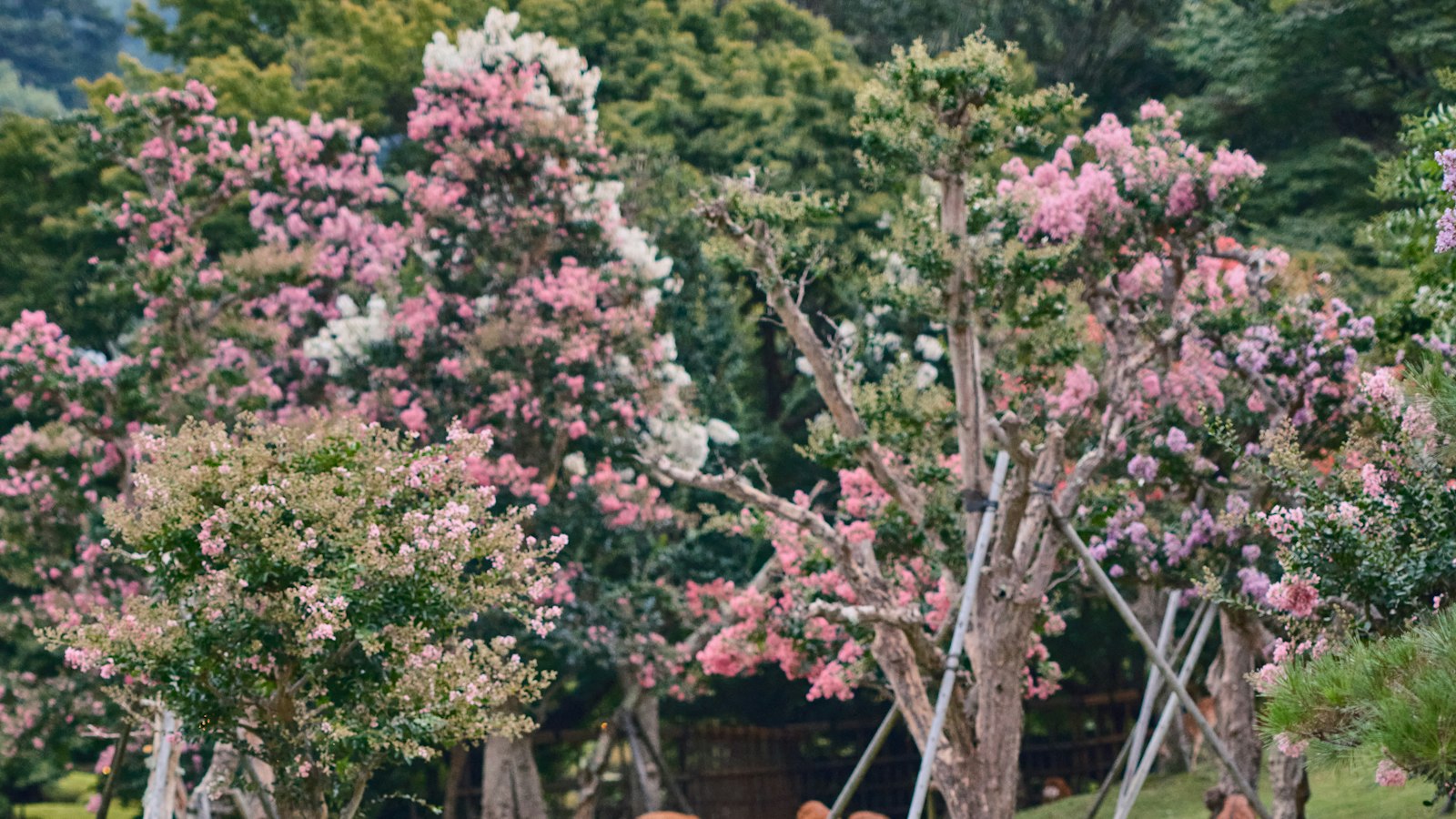
Most visitors do not stay overnight in Nara. It sits under an hour from both Osaka and Kyoto, the main sights are close enough together to walk between, and the standard visit is a half or full day before returning to wherever you are based.
That makes the connectivity advice unusually simple: you already have what you need.
Quick answer
- Whatever covers your base city if you are coming from Osaka or Kyoto, as most visitors do
- A power bank if you will be outdoors all day with the camera running
- Automatic photo backup turned off if you want one of the biggest data savings available on a day like this
- A landmark and a time agreed in advance if you are in a group, since the park is open ground and people spread out
Do not buy anything for Nara
Japanese travel SIMs, eSIMs and rental routers are nationwide products on the major carrier networks, priced by duration rather than by region. A day trip to Nara uses the plan you bought for Osaka or Kyoto, and there is no Nara-specific option worth seeking out.
If you are still choosing that plan, the guides for wherever you are based are the ones that matter:
- Based in Osaka? See our Osaka connectivity guide.
- Based in Kyoto? See our Kyoto connectivity guide.
What a Nara day actually does to your phone
Two things are worth knowing, and neither is about coverage, which is fine throughout the park and the temple grounds.
You are outdoors, all day, taking photographs. Nara Park is large, open, and full of deer that people photograph continuously. A visit generates far more camera use than a city day of the same length. Photos themselves use little data unless they upload automatically, but frequent camera use, screen time and navigation can add up to a significant battery drain.
You walk further than you expect. The distances between the station, the park, Todai-ji and the quieter temples add up, usually with navigation running. If the day ends with a late train back and a flat phone, that is inconvenient in a way it would not be in central Osaka.
A power bank covers both. So does turning off automatic photo backup until you are on hotel Wi-Fi in the evening, which is one of the biggest data savings available on a day like this.
Coordinating in the park
One practical note for groups and families. Nara Park is open and spread out, so groups naturally drift apart even when everyone starts together.
If your party shares one pocket Wi-Fi router, this is a place where people move beyond its range without noticing. Pick a landmark and a time before you walk in. It is a five-second conversation that saves a frustrating twenty minutes.

Mobal
Priced by the exact day, for the Osaka or Kyoto stay that this day trip sits inside
940+ customer reviews, mostly positive
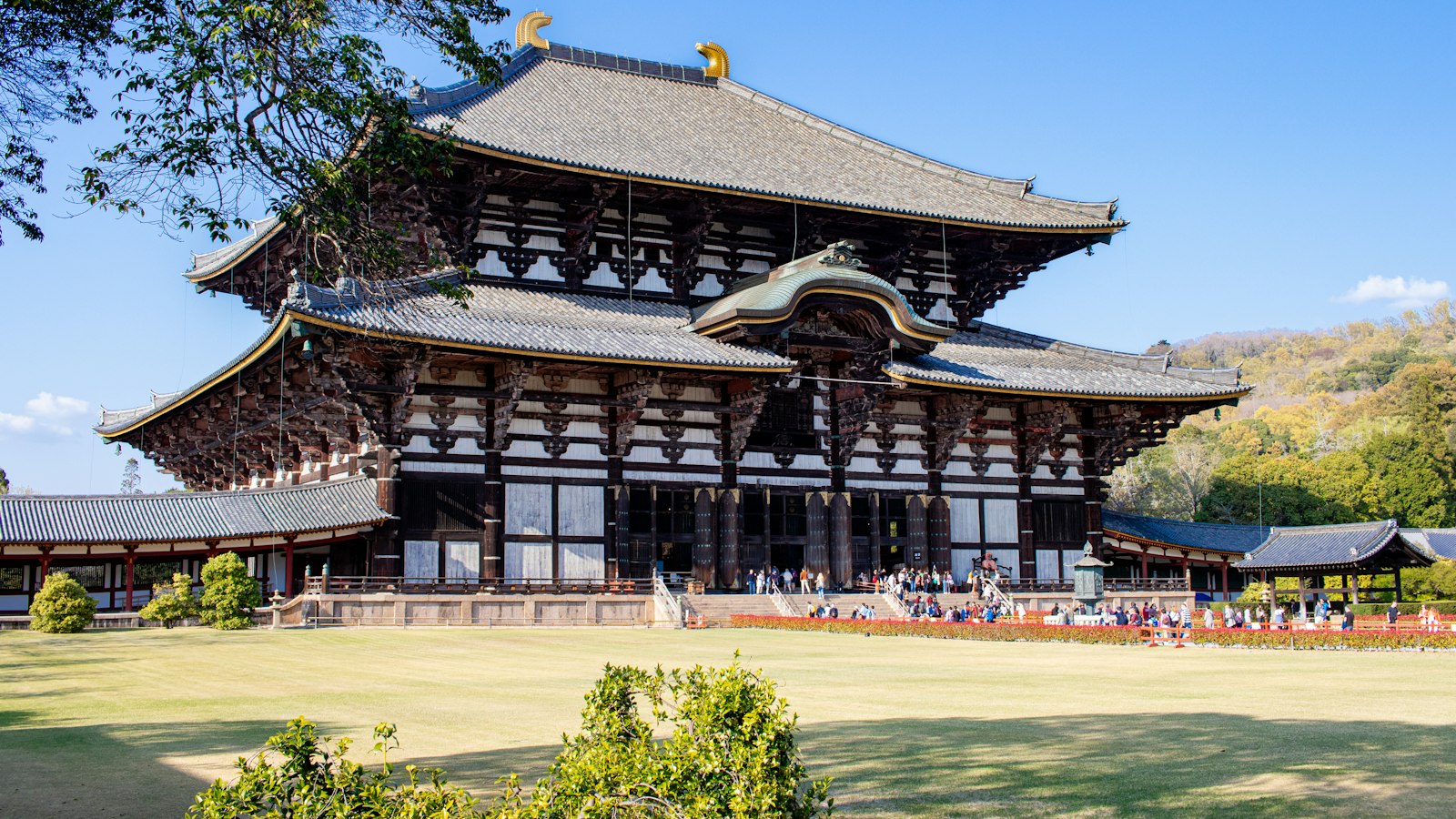
Getting there, and which station you land at
Both Osaka and Kyoto connect to Nara in under an hour on lines that are well covered end to end, with the usual brief interruptions where the track runs underground near the city ends.
Nara has two main stations, and which one you arrive at shapes the first hour. Kintetsu Nara sits closer to Nara Park, so most visitors walk out of the ticket gates and are among the deer within a few minutes. JR Nara is further from the park, with a longer walk or a short bus ride to the same place. Neither is wrong, but the two are served by different operators and therefore by different last trains, which matters more here than it would in a city.
The last return services are earlier than the equivalent city trains, and Nara empties out in the evening rather than staying open late. Check the last departure for the line you are actually taking, not the one you arrived on, before you settle in somewhere for dinner.
What it costs
There is nothing to buy for Nara itself, so the numbers below are for the trip Nara sits inside. Size the plan to your whole stay in Osaka or Kyoto and the day trip comes with it.
| Party | Typical answer | Cost |
|---|---|---|
| Solo | One tourist eSIM | ¥1,650 for 3 days, ¥3,850 for 7 |
| Couple | Two individual eSIMs | ¥5,500 for 5 days |
| Family of 4 | One shared pocket Wi-Fi router | ¥8,558 for 7 days |
The shared router is the cheapest way to cover four people for a week. For a day in Nara Park specifically, weigh that against the scattering problem above — it is the one option that stops working when people walk off in different directions.
See our full provider comparison for the detail behind those numbers.

Sakura Mobile
Pocket Wi-Fi or a physical SIM if you would rather buy a known daily allowance
1,402 customer reviews, mostly 5-star but with some complaints
How much data a Nara day uses
A reasonable rule of thumb is under 1GB. A Nara day is one of the lightest in Japan for data — no long transit navigation, no queue-time browsing, just maps and a camera. Whatever plan covers your base city covers this comfortably.
Frequently Asked Questions
Do I need a separate plan for a Nara day trip?+
No. Japanese travel SIMs, eSIMs and routers are nationwide products priced by duration. The plan you bought for Osaka or Kyoto covers Nara unchanged.
How much data does a day in Nara use?+
Under 1GB for most visitors. It is one of the lightest days in Japan for data: no long transit navigation, no queue-time browsing, just maps and a camera.
What actually catches people out in Nara?+
Battery rather than data. The park is large, you walk further than you expect, and the camera runs all day. Turning off automatic photo backup until you are on hotel Wi-Fi helps both.
Does it matter which Nara station I arrive at?+
For your first hour, yes. Kintetsu Nara is closer to Nara Park than JR Nara, which needs a longer walk or a short bus. They are also served by different operators, so check the last departure for the line you are actually taking home.
Guides for the trips Nara sits inside
Most Nara visits are a day or a night out of a longer stay, so the plan you buy is the one covering that stay.

Kyoto 3 Days Solo Traveler: SIM/eSIM Guide
Three days alone in Kyoto means racing temple closing times with no one to share the navigating. Here's the setup that fits, why battery matters more than data, and what it costs.
Updated September 12, 2026
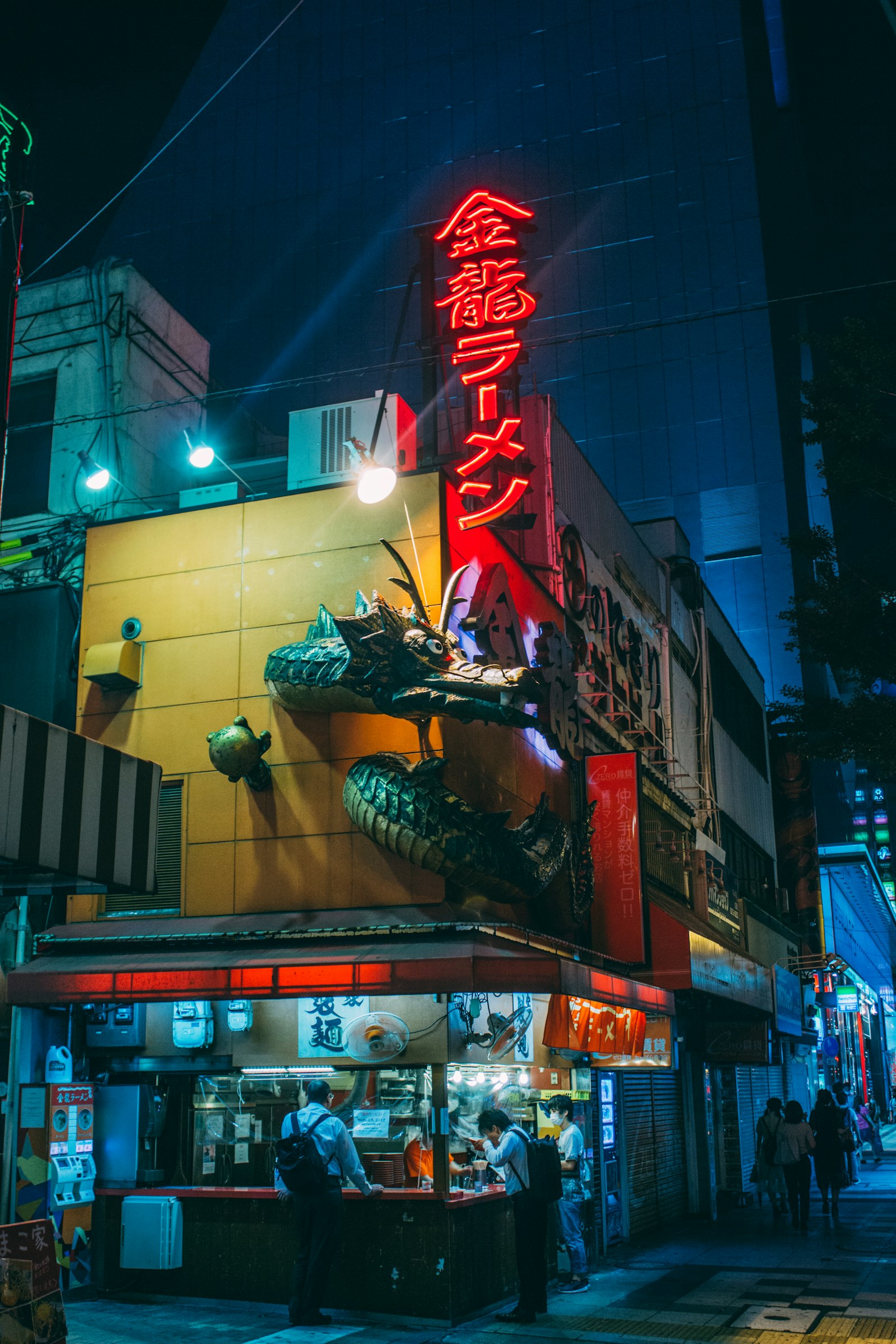
Osaka 3 Days Solo Traveler: SIM/eSIM Guide
Eating alone through Dotonbori and Kuromon for three days puts your phone to work in ways a temple trip doesn't. Here's the connectivity setup that fits, with real pricing.
Updated September 12, 2026

Kyoto 4 Days Group of 6+ Friends: Best Value SIM/Wi-Fi
Kyoto spreads a group of 6 across a wide ring of sights and up a mountainside. Here's why one shared router behaves differently here than in a compact city, with per-person costs.
Updated September 12, 2026
Osaka 4 Days Group of 6+ Friends: Best Value SIM/Wi-Fi
A group of 6 in Osaka for 4 days almost always splits up for a day trip or a USJ day. Here's the per-person math on one router vs. two, and the tethering cap that catches groups out.
Updated September 12, 2026
Kyoto 5 Days Couple: SIM/eSIM Guide
Kyoto empties out early — temples close mid-afternoon and buses thin out at night. For a couple, that makes an independent connection each worth more than a shared router.
Updated September 12, 2026
Kyoto & Osaka 5 Days Couple: SIM/Wi-Fi Guide
Splitting five days across two cities adds a problem single-city trips don't have: where you return a rental router. Why that alone often settles it for a couple, plus costs.
Updated September 12, 2026
Osaka 5 Days Couple: SIM/Wi-Fi Guide
Most guides tell couples to share one pocket Wi-Fi to save money. Run the actual numbers for 5 days in Osaka and that's wrong — two eSIMs come out cheaper. Here's the math.
Updated September 12, 2026
Kyoto 7 Days Family of 4: Connectivity Guide
Nobody sightsees seven days straight with children, so should you pay for seven days of connectivity? The rental-tier math for a Kyoto family week, plus bus-day practicalities.
Updated September 12, 2026
Osaka 7 Days Family of 4: Connectivity Guide
A week in Osaka with kids revolves around one 12-hour Universal Studios day. Here's why a single shared router is a single point of failure there, and what to do about it.
Updated September 12, 2026
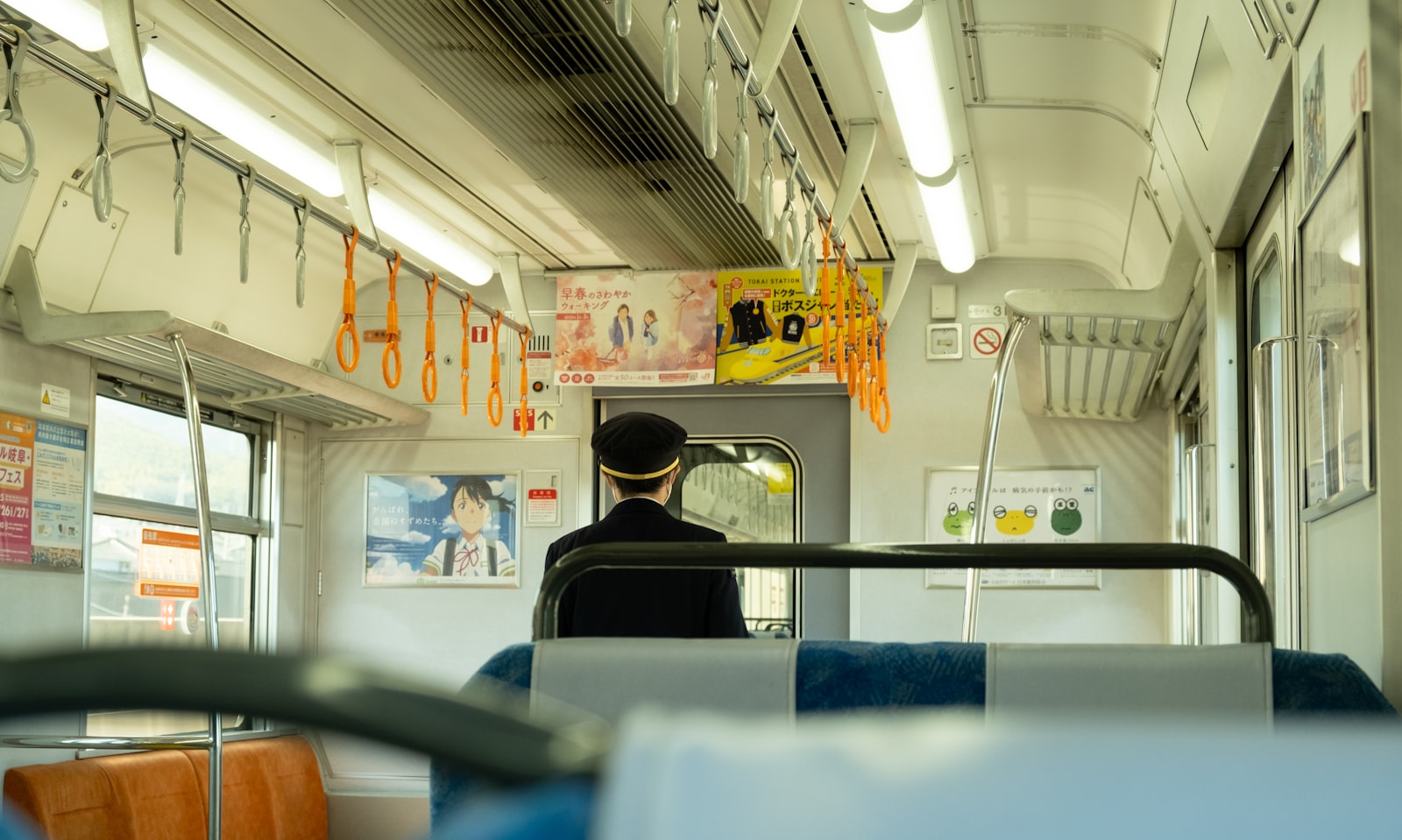
Tokyo to Osaka 10 Days Family of 4: Connectivity Guide
A two-city family trip turns on one day: the Shinkansen transfer with luggage and children. Oversized bags need a reservation, and a rented router has to get home somehow.
Updated September 12, 2026
Japan 14 Days Multi-City Backpacker: Data Plan Guide
For a 14-day multi-city Japan backpacking trip, a longer-validity eSIM with a generous data cap beats juggling multiple short-term SIMs between cities.
Updated July 28, 2026